Know Your Home’s Radon Levels
Radon Testing in Delaware, Ohio
Whether you’re buying a home or checking the one you’ve lived in for years, Radon Reaperz can help. We provide radon testing throughout Delaware and Greater Columbus, explain your results, and help you understand what to do next.
Answers Start with Testing
Know What’s in the Air at Home.
Maybe you’re buying a house. Maybe you’re turning the basement into a playroom or home office. Or maybe you’ve lived in your home for years and have never checked its radon levels.
Radon Reaperz helps homeowners throughout Delaware and Greater Columbus get answers through radon testing. We’ll help you understand your results and what the next step should be, whether that means follow-up testing or discussing a mitigation system.
Your Neighbor’s Results Aren’t Your Results
Radon enters homes from the ground through foundation cracks, joints, and other openings. It can build up in older houses, new construction, and homes with or without basements.
Even houses next door to each other can have different radon levels. The age of your house, its appearance, and a neighbor’s test result can’t tell you what’s happening inside your home. Testing gives you information specific to your property.
A Good Time to Get Answers
When Should You Test for Radon?
You’ve Never Tested Your Home
If you don’t have a previous test result, testing gives you a starting point. You don’t have to wait until you’re moving or planning a renovation to find out where things stand.
You’re Buying or Selling
A home purchase comes with enough questions. Testing during the inspection period can help identify a radon issue before closing and give everyone time to discuss the next steps. Let us know your inspection deadline when you contact us.
You’re Using Your Basement More
A downstairs bedroom, workout room, or home office means spending more time on a lower level. Check radon levels before making that space part of your daily routine.
You’ve Made Changes to Your Home
Renovations and changes to a home’s foundation or ventilation can affect radon levels. Testing after work is completed can help you understand whether conditions have changed.
You’ve Had a System Installed
Testing after installation checks whether radon levels have come down. Having a system in place doesn’t replace the need to measure the radon in your home.
From Your First Call to Your Results
What to Expect from Radon Testing.
Tell Us About Your Property
Contact Radon Reaperz with your location, the reason for testing, and any deadlines. Let us know if the property already has a mitigation system or if you have previous results you’d like to discuss.
Prepare for the Test
Proper testing conditions matter. Follow the instructions provided for your test, including guidance about windows, exterior doors, and ventilation. Make sure everyone in the household knows the equipment needs to stay undisturbed.
Allow the Test to Run
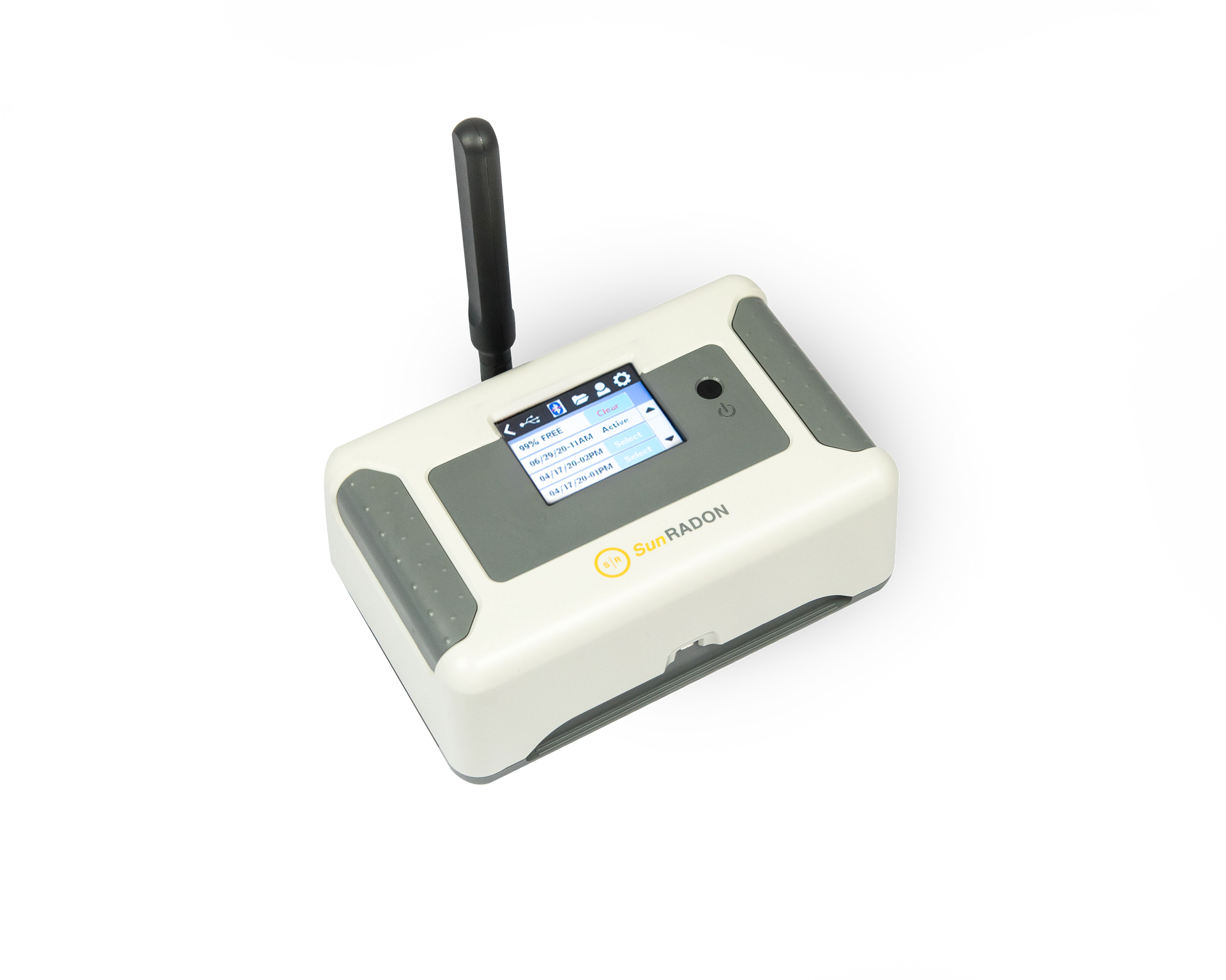
Radon testing measures conditions over time. Short-term tests generally require at least 48 hours, and some testing methods take longer. The test duration and timing for results should be confirmed when scheduling.
Understand Your Results
Your report will show a radon concentration measured in picocuries per liter, or pCi/L. We’ll help you understand that number and discuss whether follow-up testing or mitigation makes sense for your property.
Making Sense of the Numbers
What Does Your Test Result Mean?
A radon result is more useful when you understand what to do with it. These ranges summarize EPA guidance for homes.
Keep Future Changes in Mind
A lower result is encouraging, but it doesn’t guarantee that levels will stay the same. Changes to your home or how you use its lower levels may be reasons to test again.
Consider Reducing Radon
The EPA recommends considering steps to reduce radon at these levels. We can help you understand your result and discuss options for your home.
Take the Next Step
The EPA recommends fixing the home to reduce radon. Depending on the testing method and circumstances, follow-up testing may be needed to confirm the result and guide the decision.
When to Take Action
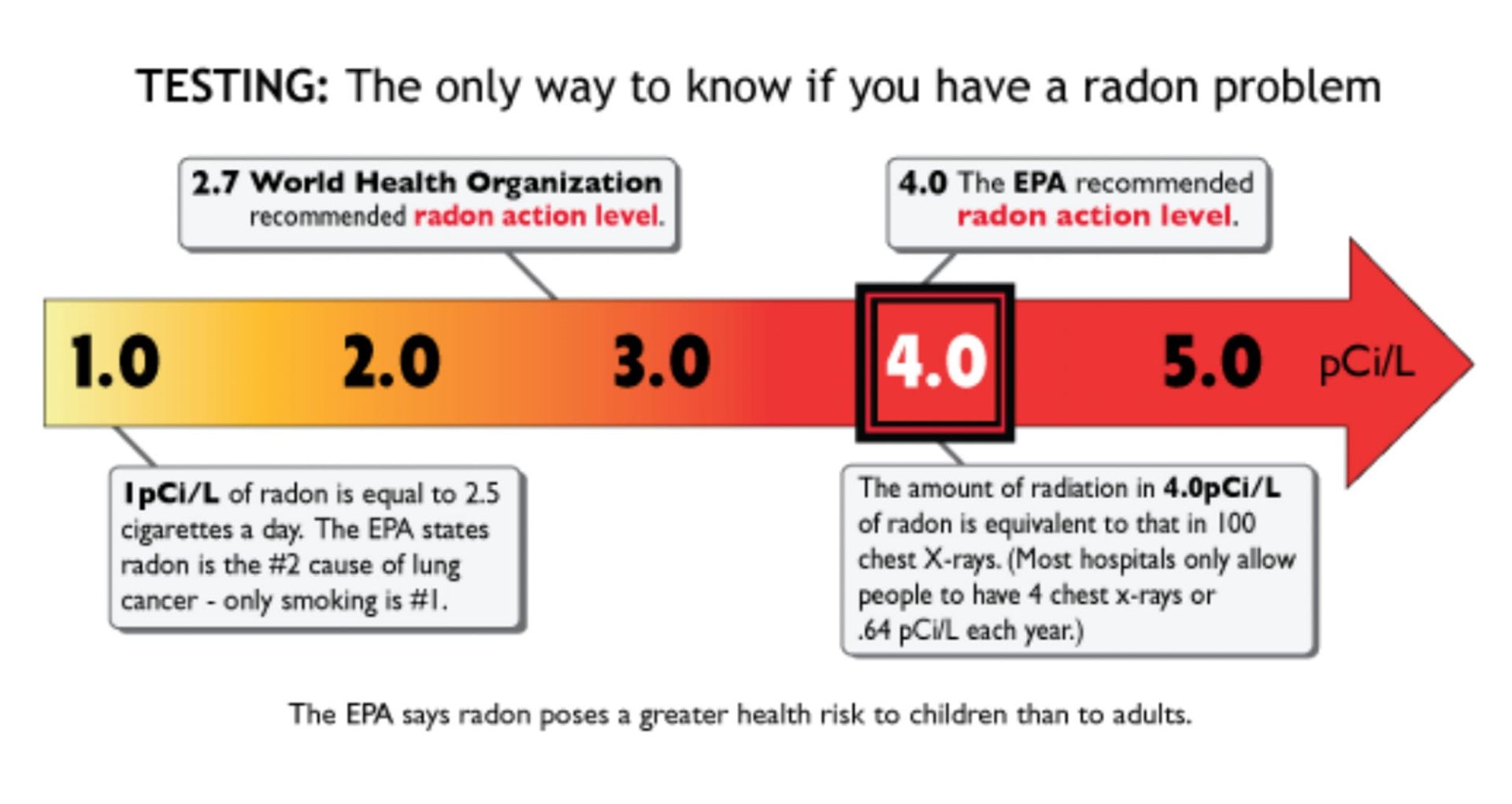
The EPA’s action level is not a boundary between “safe” and “unsafe.” There is no known risk-free level of radon exposure, so reducing elevated levels matters.
If your results call for action, Radon Reaperz can explain your radon mitigation options and help you plan the next step.
Testing Before & After Mitigation
Install the System. Then Check the Results.
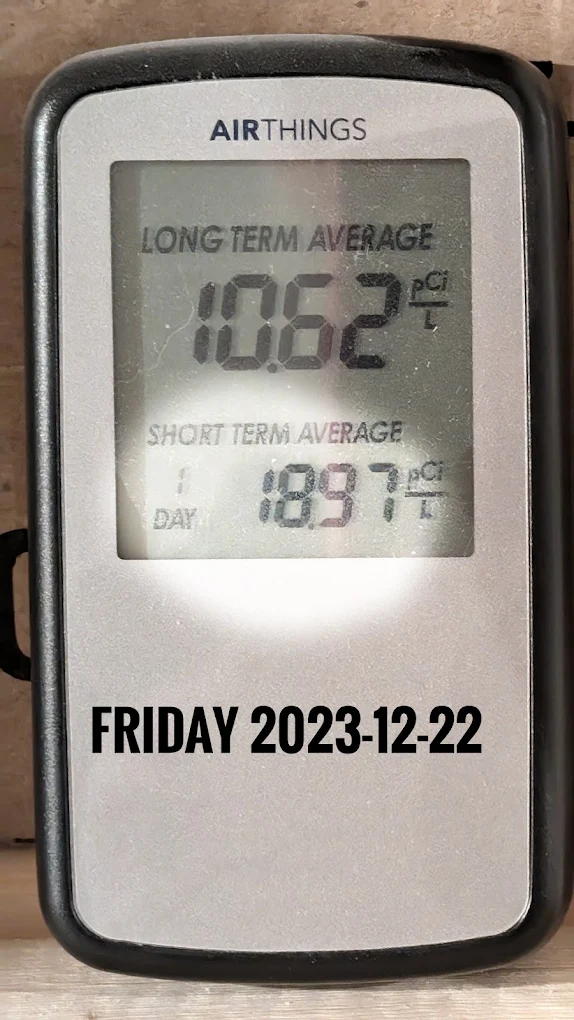
Testing helps identify a radon problem. Testing again after a mitigation system is installed helps determine how well it is reducing radon. These monitor images show readings before and after a system installation.
Measuring the Starting Point
Checking the Change
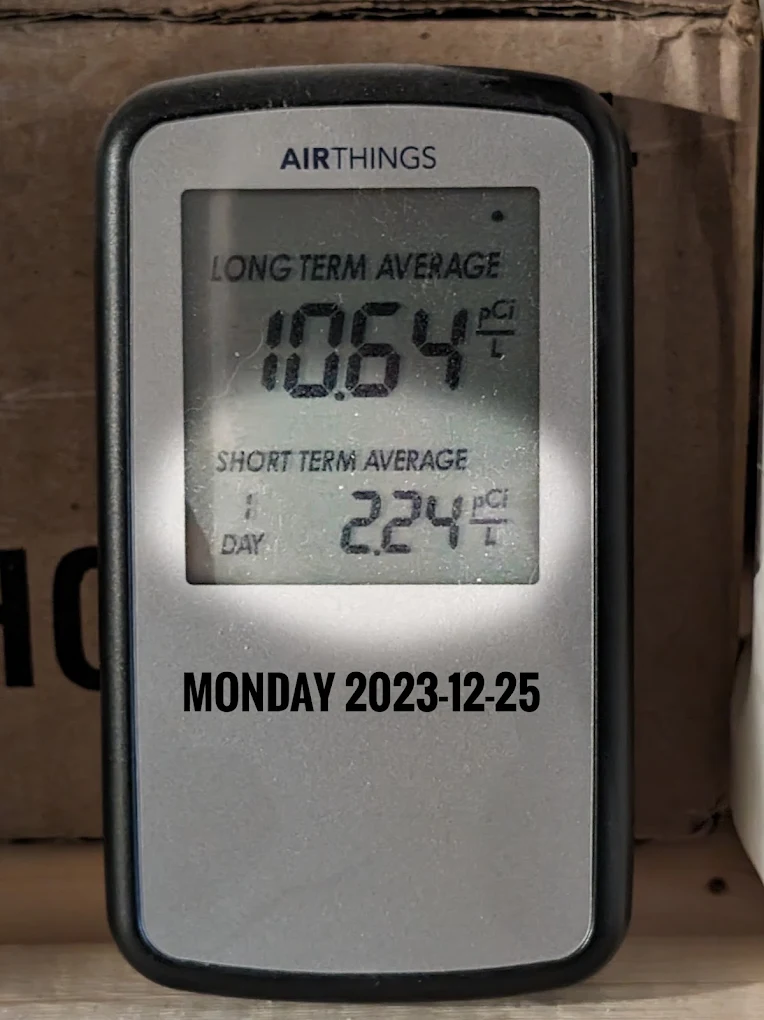
Every property is different. A monitor photo captures a displayed reading; the completed test results and testing conditions provide the context needed to evaluate a system’s performance.
Delaware & Greater Columbus
Local Help from Testing to Next Steps.
You shouldn’t have to sort through unfamiliar numbers on your own. Whether you’re checking your family’s home or working through a real estate inspection, we’re here to answer questions and help you move forward.
Radon Reaperz is based in Delaware and serves Greater Columbus. Contact us to discuss your property, testing availability, and pricing.
Before You Schedule
Radon Testing Questions, Answered.
How long does a radon test take?
Short-term testing generally takes at least 48 hours, although some methods require more time. Long-term tests run for more than 90 days and better reflect average conditions over time. Contact us to confirm the testing method, schedule, and expected timing for results.
Can I stay in my home during testing?
Yes. You can generally remain at home and use exterior doors for normal entry and exit. Follow your test instructions carefully, keep the equipment undisturbed, and maintain the required testing conditions.
Do I need to keep my windows closed?
For a short-term test lasting two to four days, EPA guidance calls for closed-house conditions for at least 12 hours before testing and throughout the test. That means keeping windows closed and opening exterior doors only for normal entry and exit. Follow the specific ventilation instructions provided for your test.
Does a new home need radon testing?
Yes. New construction can have elevated radon, including homes built with radon-resistant features. Testing is how you find out whether those features are keeping levels down or whether additional steps are needed.
Can I use a do-it-yourself radon test?
Yes. A properly used test kit can measure radon in your home. Professional testing can be helpful when you want assistance with setup and results, and the EPA recommends a qualified tester for a home purchase or sale.
What happens if my result is high?
A high result is a reason to take action. Depending on how the initial test was performed, follow-up testing may be appropriate. If mitigation is needed, we can discuss a system suited to your home and testing afterward to check the results.
How much does radon testing cost?
Contact Radon Reaperz for current pricing based on your property and testing needs. If you’re buying or selling, mention your inspection deadline so we can discuss scheduling.
Ready When You Are
Let’s Find Out Where Your Home Stands.
Whether you’ve just picked up the keys or have lived there for decades, we can help you take the next step. Contact Radon Reaperz to ask about testing for your Delaware or Greater Columbus home.
Prefer to talk? 833-732-7379