A Little Knowledge. A Clear Next Step.
What Is Radon?
Understanding radon starts with a few simple questions: where does it come from, how does it get into a home, and what can you do about it? Get straightforward answers from Radon Reaperz, along with help taking the next step for your Delaware or Greater Columbus property.
Understanding the Invisible Killer
You Can’t See It. You Can Test for It.
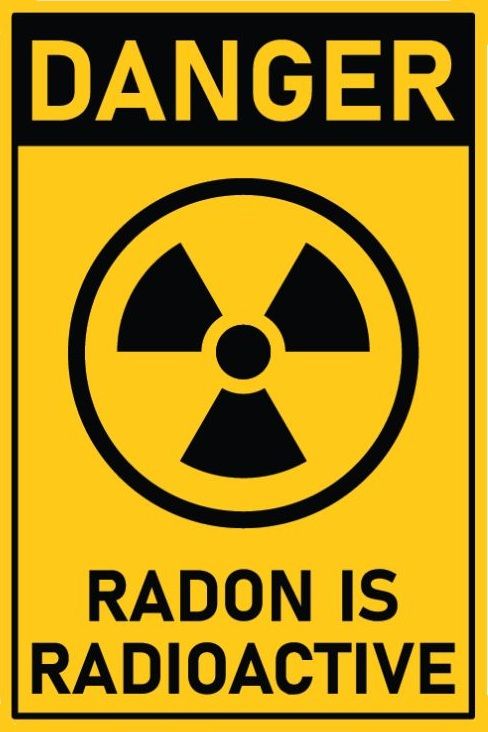
Radon is a naturally occurring radioactive gas produced as uranium in rock and soil breaks down. It has no color, smell, or taste, so you won’t notice it in the air around you.
Outdoors, radon usually disperses. Inside a building, it can accumulate. Homes, apartments, schools, and workplaces can all have elevated levels, regardless of how new or well maintained they are.
The practical first step is testing. A radon test measures the air in your property so you can make a decision based on your own results.
A Home Can Look Perfect and Still Have Radon.
A clean basement, a recent renovation, or a new foundation doesn’t tell you the radon level. Neither does a neighbor’s test.
Radon levels can differ between nearby homes. Testing your property is how you find out where it stands.
From the Ground into Your Home
How Does Radon Get Inside?
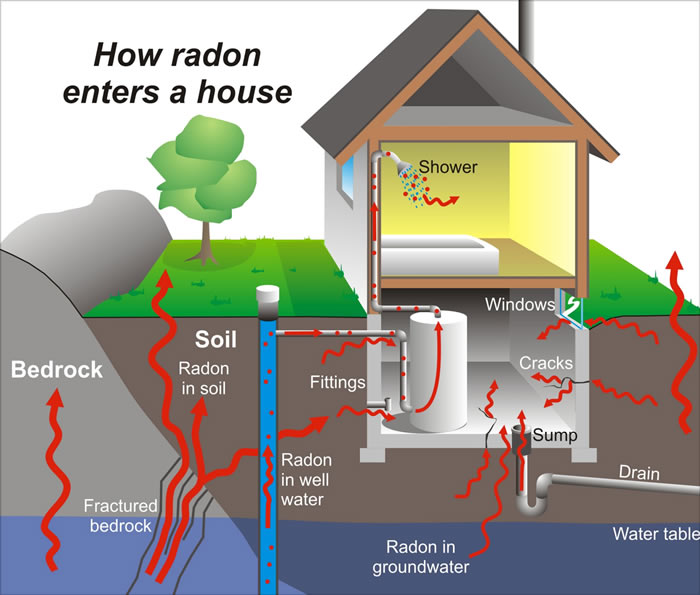
Radon moves through the soil and can enter through openings where your home meets the ground. Common entry points include:
- Cracks in basement floors and foundation walls.
- Gaps around pipes and other utility penetrations.
- Construction joints and openings around sump pits.
- Exposed soil in crawlspaces.
Once inside, radon can collect faster than it escapes. A basement is a common place to test, but homes built on slabs or crawlspaces can have elevated radon too.
Why Radon Deserves Attention
An Invisible Gas. A Real Health Risk.
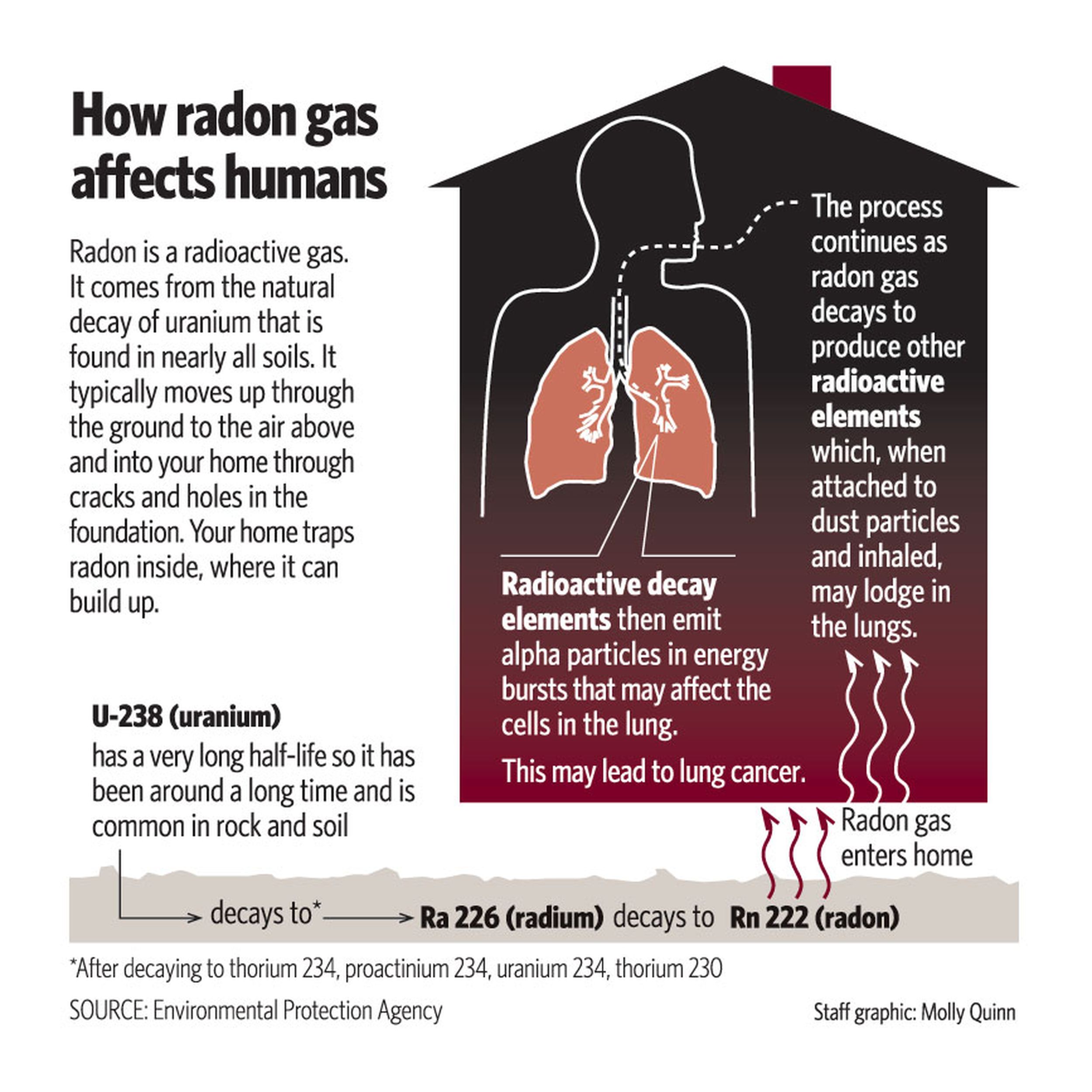
As radon decays, it produces radioactive particles that can be inhaled. These particles can damage cells in the lungs and increase the risk of lung cancer over time.
Radon exposure does not cause immediate symptoms. Feeling well is not a way to judge whether radon levels are elevated.
The risk affects both smokers and people who have never smoked. Smoking combined with radon exposure increases lung cancer risk further. Reducing exposure is a useful step toward protecting your long-term health.
Estimated radon-related lung cancer deaths each year in the United States, according to the EPA.
Radon is the leading cause of lung cancer among people who do not smoke, according to EPA estimates.
Radon is the second leading cause of lung cancer overall, after smoking.
A Clear Path Forward
What Can You Do About Radon?
You don’t have to guess whether your home has a problem. Start with a test, review the result, and take the next step if levels are elevated.
Test Your Property
A radon test measures the concentration in your indoor air. Short-term tests generally run for at least 48 hours. Follow the test instructions and leave the equipment undisturbed.
Understand the Result
Results are reported in picocuries per liter, or pCi/L. The result and testing method help determine whether follow-up testing or mitigation is the appropriate next step.
Reduce Elevated Levels
If mitigation is needed, a system can be designed for your home’s foundation and layout. Testing afterward checks whether radon levels have been reduced.
Understanding the EPA action level: The EPA recommends fixing homes with radon levels of 4 pCi/L or higher and considering reduction between 2 and 4 pCi/L. Follow-up testing may be appropriate depending on the initial test.
There is no known risk-free level of radon exposure. The goal is to reduce exposure, rather than treat one number as a guarantee of safety.
When Testing Shows Elevated Levels
How Does Mitigation Help?
A common approach uses a fan and pipe system to draw soil gas from beneath the foundation and discharge it outdoors. Sealing relevant openings helps the system work effectively.
The right approach depends on the building. A basement, slab, sump pit, or crawlspace may call for a different installation plan. Radon Reaperz can review your property and explain the options.
Installation Is Followed by Testing.
A running fan alone does not tell you the radon concentration in your home. A follow-up radon test checks the result of the work.
Keep the system operating as instructed and follow the recommended testing and maintenance guidance for your property.
Common Questions
Get to Know Radon.
Can I smell radon in my home?
No. Radon has no smell, color, or taste. Testing is how you determine the concentration in your indoor air.
Is radon only a problem in older homes?
No. New and older homes can both have elevated radon. The age or appearance of a building does not replace a test.
Do homes without basements need testing?
Yes. Homes built on slabs and crawlspaces can also have elevated radon. A basement is not required for radon to enter a building.
My neighbor’s result was low. Should I still test?
Yes. Soil conditions and building characteristics differ, even between neighboring properties. Your own test provides information about your home.
Will radon exposure cause immediate symptoms?
Radon exposure does not cause immediate symptoms. The established health concern is an increased risk of lung cancer over time. Don’t wait for symptoms to decide whether to test.
Can elevated radon levels be reduced?
Yes. Radon mitigation systems can reduce elevated levels. The design should suit the property, and testing after installation checks the outcome.
Delaware & Greater Columbus
Have Questions? Call the Reaperz.
Whether you’re learning about radon for the first time or already have a test result, we can help you understand your options. Tell us about your property and let’s discuss the next step.