

Radon Testing & Mitigation

Apartments &
Multi-Family Buildings in Delaware, Ohio

Managing radon in a multi-family property starts with understanding the building. Radon Reaperz works with property owners and managers throughout Delaware and Greater Columbus to plan testing, review results, and discuss mitigation options suited to the property.

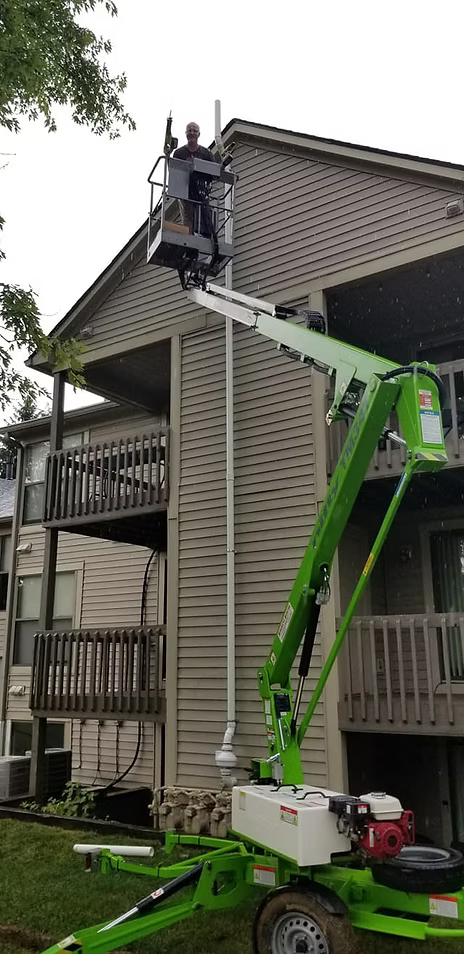
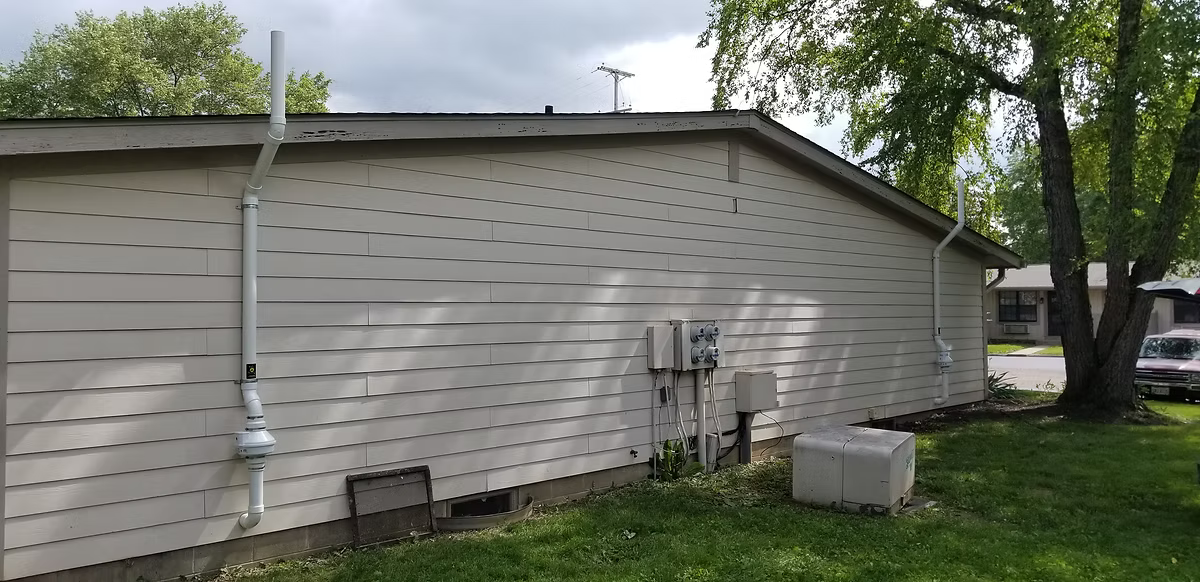
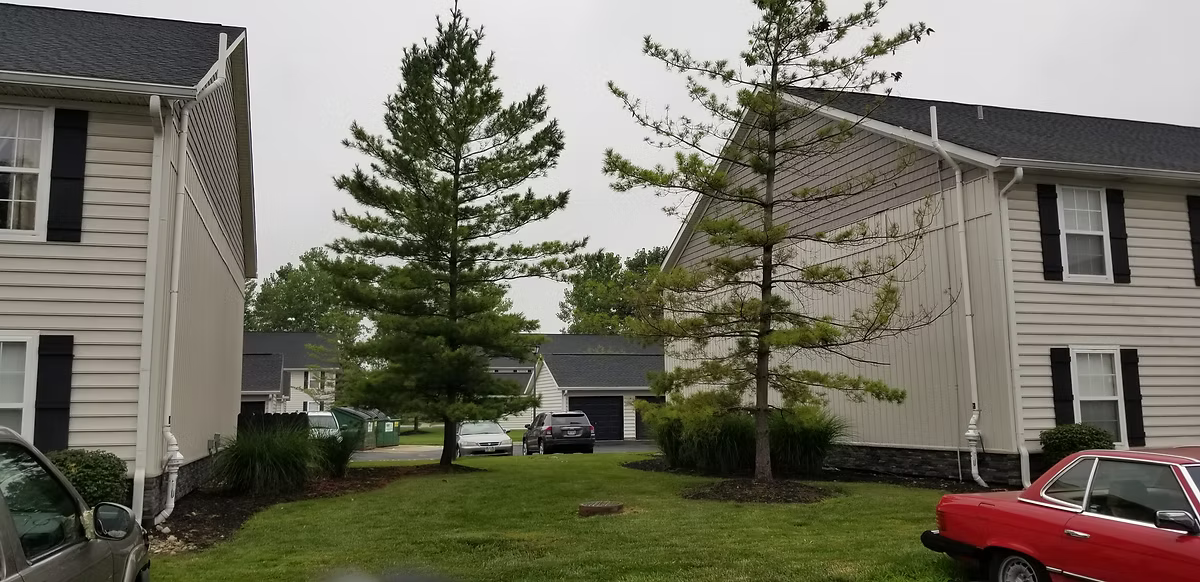
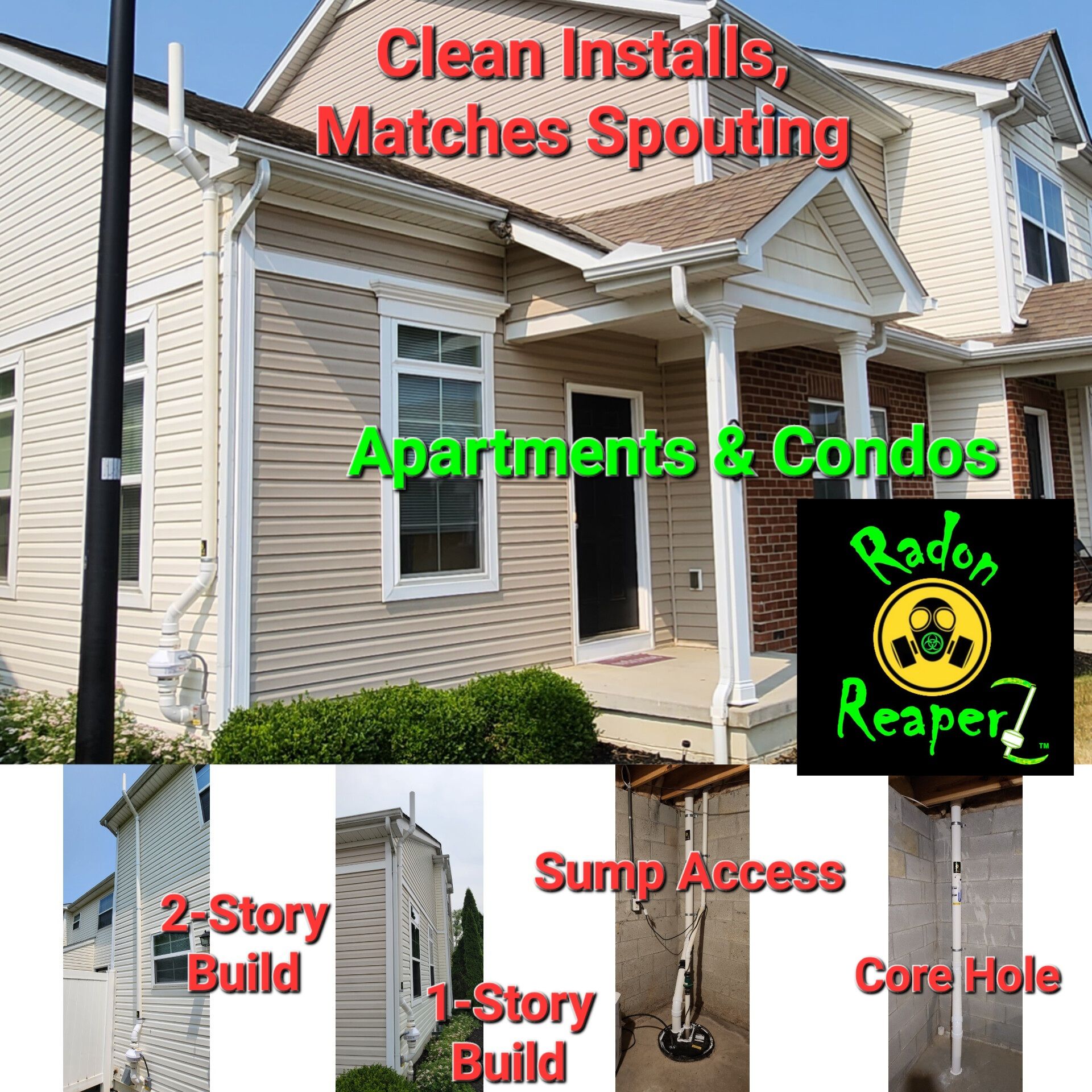
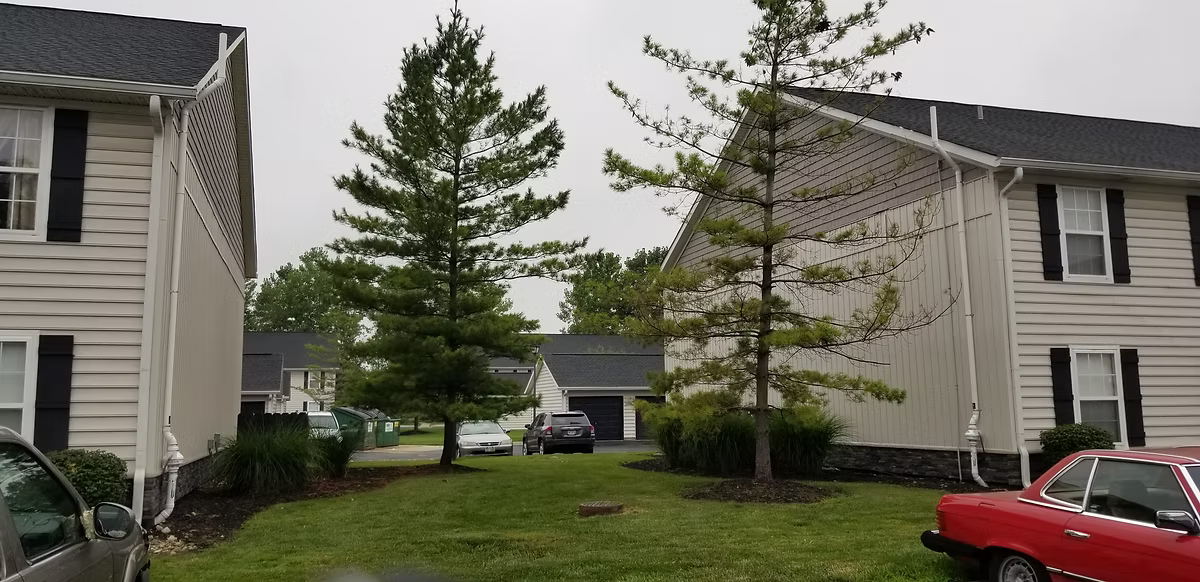
Apartment buildings with exterior radon mitigation fans
Locally based. Serving Delaware & Greater Columbus. 1-833-REAPERZ

Apartments. Condos. Slab Foundations.

No Basement? Radon Can Still Be a Problem.

A first-floor apartment, a condo, or a home built on a concrete slab can have elevated radon levels. A basement is not a requirement for radon to enter a building.

Radon Reaperz® has worked on apartment developments without basements where testing identified elevated readings. The foundation style alone did not tell the full story.

Whether you live in the building or manage it, start with testing. Results give you something concrete to work with when deciding what should happen next.

Apartments and condominiums
Apartments and condos need radon testing too.

Start the Conversation

Ask About Testing. Ask to See the Results.

For Residents

What Has Been Checked?

Ask your property manager about the building’s testing history and whether results are available for your unit.

  • When was the property last tested?
  • Which units and common areas were included?
  • Were elevated results addressed?
  • Was follow-up testing completed after mitigation?
For Owners & Managers

Keep a Clear Property Record

Gather previous reports, building plans, and information about any existing systems before planning new work.

A multi-family testing plan should define the locations being tested, access arrangements, resident instructions, and how results will be documented.

Avoid treating a single reading as the result for an entire apartment community.

Make retesting part of ongoing maintenance. EPA recommends retesting homes with mitigation systems at least every two years. For a multi-family property, confirm the schedule that applies to its testing protocol and any applicable program or regulatory requirements.

Apartment buildings with exterior radon mitigation fans
Exterior radon mitigation equipment serving apartment buildings.

Mitigation Without a Basement

Work Below the Slab. Vent Above the Building.

A common mitigation approach uses suction beneath the concrete slab to collect soil gas before it enters the occupied space. Piping carries that gas outdoors to a properly located discharge.

Apartment buildings need a plan that accounts for their layout. Foundation sections, separate buildings, access, and available pipe routes all affect the installation.

Radon Reaperz reviews the property and test results to discuss a suitable approach, including where equipment and piping can be placed.

Understand the Difference

Passive vs. Active Radon Systems

Seeing a radon pipe does not tell you whether a building has an operating fan or whether its radon levels are low. Identify the system, then check the test results.

Passive System

Relies on Natural Air Movement

A passive system has collection and venting components but no operating radon fan. It can reduce radon, although natural airflow may not provide enough reduction for every building.

The next step: Test the property and evaluate whether the existing system needs activation or other changes.

Active System

Uses a Fan to Create Suction

An active system uses a radon fan to draw soil gas through the collection piping. Fan selection and system design depend on the building and the conditions beneath it.

The next step: Check performance with follow-up radon testing and keep the system operating according to its instructions.

A fan upgrade starts with an evaluation. Existing passive piping may be suitable for activation, but the collection points, pipe route, electrical supply, and discharge location should be reviewed first. Energy use varies with the equipment selected.

Plan the Equipment Location

Exterior or Attic Routing. Designed Around the Building.

Some projects use exterior equipment. Others may accommodate a system through an attic and roof. The route needs to account for equipment placement, service access, and the discharge location—not just appearance.

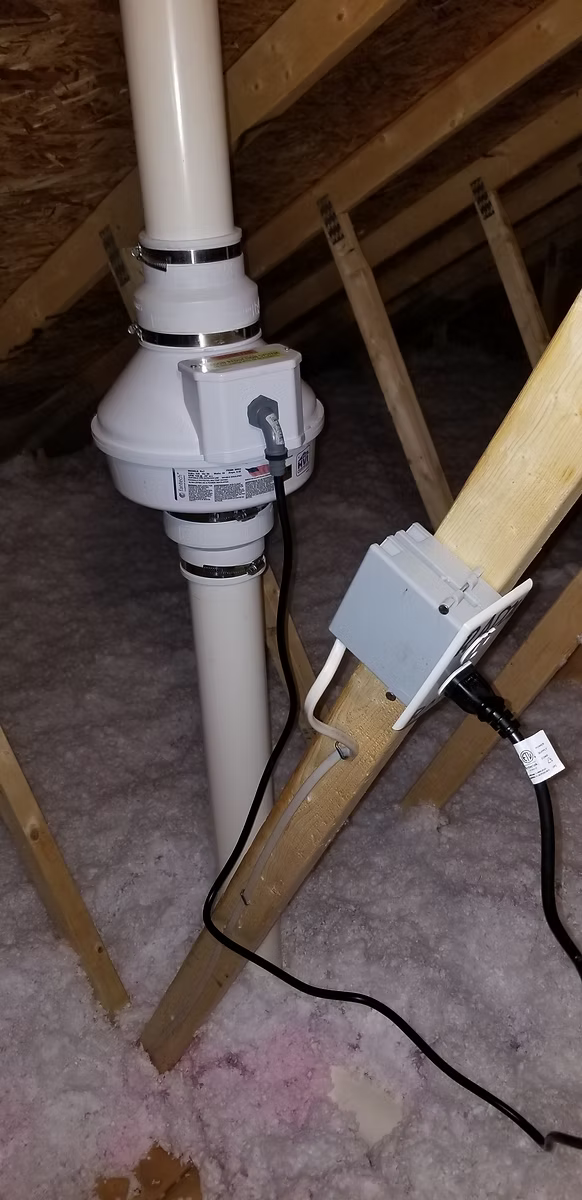
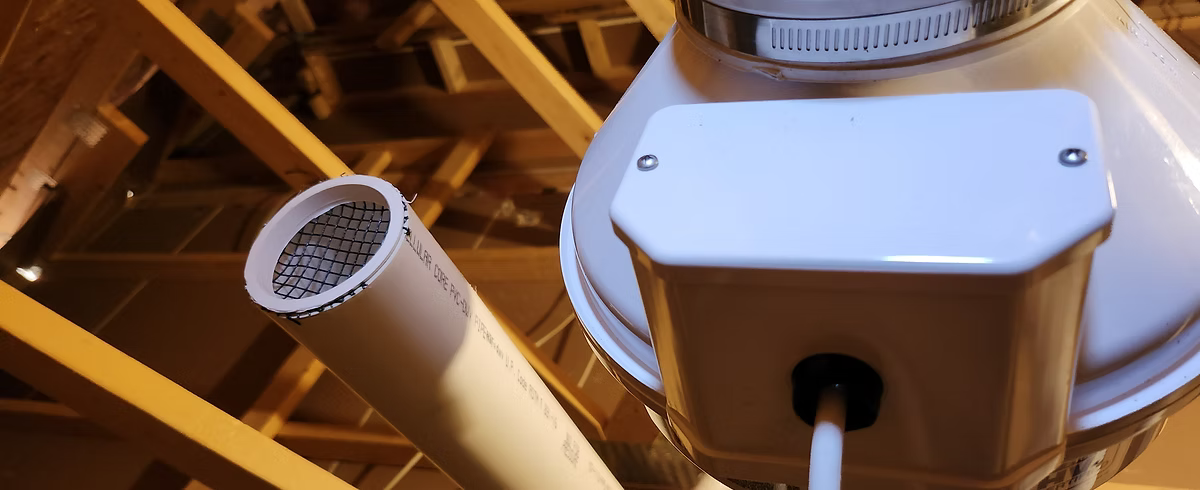
Radon fan installed in an apartment building attic
Radon fan installation in an apartment building attic.
Apartment attic radon fan and connecting piping
Fan and piping connections within the attic.
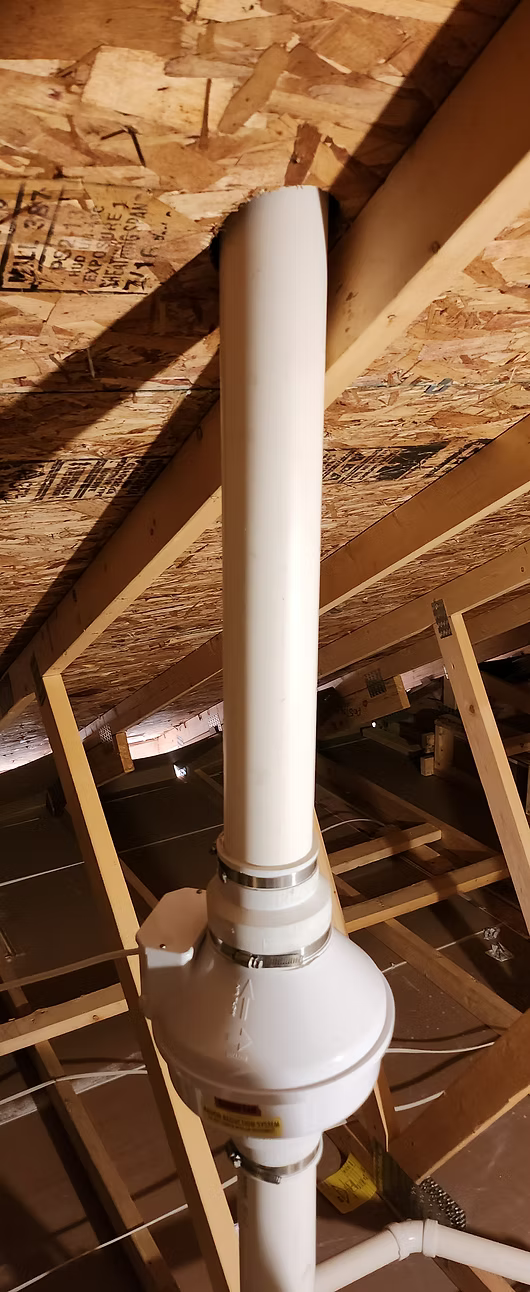
Radon mitigation system routed through an apartment building attic
An attic route for apartment radon mitigation piping.

For Builders & Developers

Plan for Radon Before the Finishes Go In.

New construction is an opportunity to plan collection points, pipe routes, and equipment access while the building is still open.

Whether the design starts with passive piping or an active system, include testing and any needed follow-up work in the project plan. New construction alone does not establish a building’s radon level.

Bring These Details to the Conversation

  • Building plans and foundation layout.
  • The number of buildings and residential units.
  • Existing or proposed radon piping.
  • Construction schedule and access limitations.
  • Any project-specific testing or reporting requirements.

A Clear Path Forward

From Test Results to a Property-Specific Plan.

Review the Property

Discuss the building layout, available reports, existing equipment, and the concerns that prompted your call.

Define the Scope

Identify the testing or mitigation work proposed for the property and discuss access, scheduling, and documentation.

Coordinate the Work

Plan installation access and communication with property management so residents know what to expect.

Check the Outcome

Complete follow-up radon testing after mitigation and review system operation, maintenance, and future testing.

Common Questions

Apartments & Multi-Family Radon FAQs

Can a first-floor apartment have radon without a basement?

Yes. Buildings constructed on slabs can have elevated radon levels. Testing is needed to determine the level in the occupied space.

Does every unit need its own mitigation fan?

Not necessarily. The number of fans and collection points depends on the foundation layout and system design. A property evaluation is needed before proposing equipment quantities or coverage.

Is a passive radon system enough?

It may be, but the presence of passive piping does not confirm the result. Testing determines whether further reduction is needed. A suitable passive system can sometimes be upgraded by adding a fan and associated components.

Can an existing apartment building be mitigated?

Existing buildings can often be fitted with radon mitigation systems. The approach depends on test results, foundation construction, access, and workable pipe routes.

Does a running fan mean the radon level is low?

No. A running fan or system pressure indicator does not measure indoor radon concentration. Follow-up testing checks the result, and periodic testing helps track performance over time.

What should a resident ask the property manager?

Ask when testing was performed, whether your unit was included, what the results showed, and whether any elevated readings received follow-up. If a system is installed, ask about its maintenance and testing history.

Delaware & Greater Columbus

Have a Building to Evaluate? Call the Reaperz.

From an individual condo building to an apartment community, start with a conversation about your property. Radon Reaperz can help you plan testing, review an existing system, or discuss mitigation.

Locally based. Serving Delaware & Greater Columbus. 833-732-7379