
Plan for Radon from the Ground Up

New Construction
Radon Mitigation in Delaware, Ohio

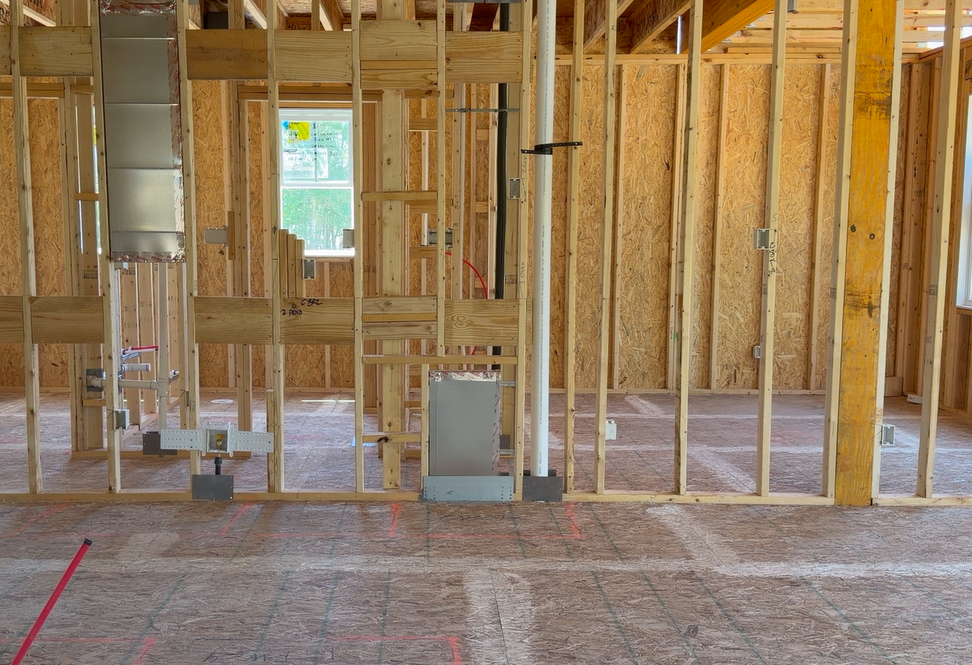
Building a home or developing a new property? Radon Reaperz works with builders, developers, and homeowners throughout Delaware and Greater Columbus to plan radon systems around the project. Let’s discuss your plans, construction schedule, and testing needs before the finishes go in.

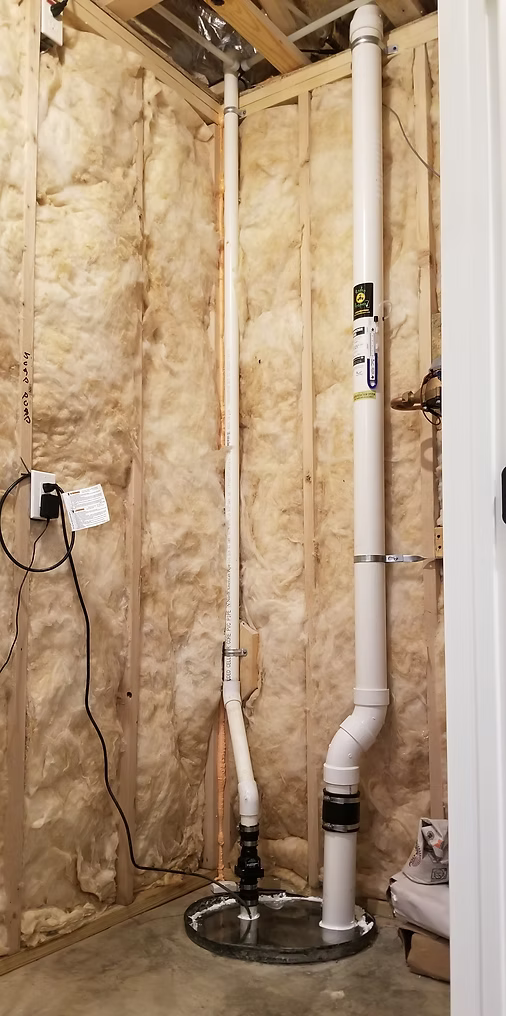
Radon mitigation system installed during new construction
Locally based. Serving Delaware & Greater Columbus. 1-833-REAPERZ

Your Results. Your Home. Your Next Step.

High Radon Levels? Let’s Make a Plan.

Getting an elevated radon result can leave you wondering what happens next. Where will the system go? How much work will your home need? What will it look like when it’s finished?

Radon Reaperz helps homeowners throughout Delaware and Greater Columbus work through those questions. We review your test results and your home’s layout to plan a mitigation system that fits the property.

Whether you have an unfinished basement, a sump pit, or piping installed during construction, the starting point is understanding what’s already there and what needs to change.

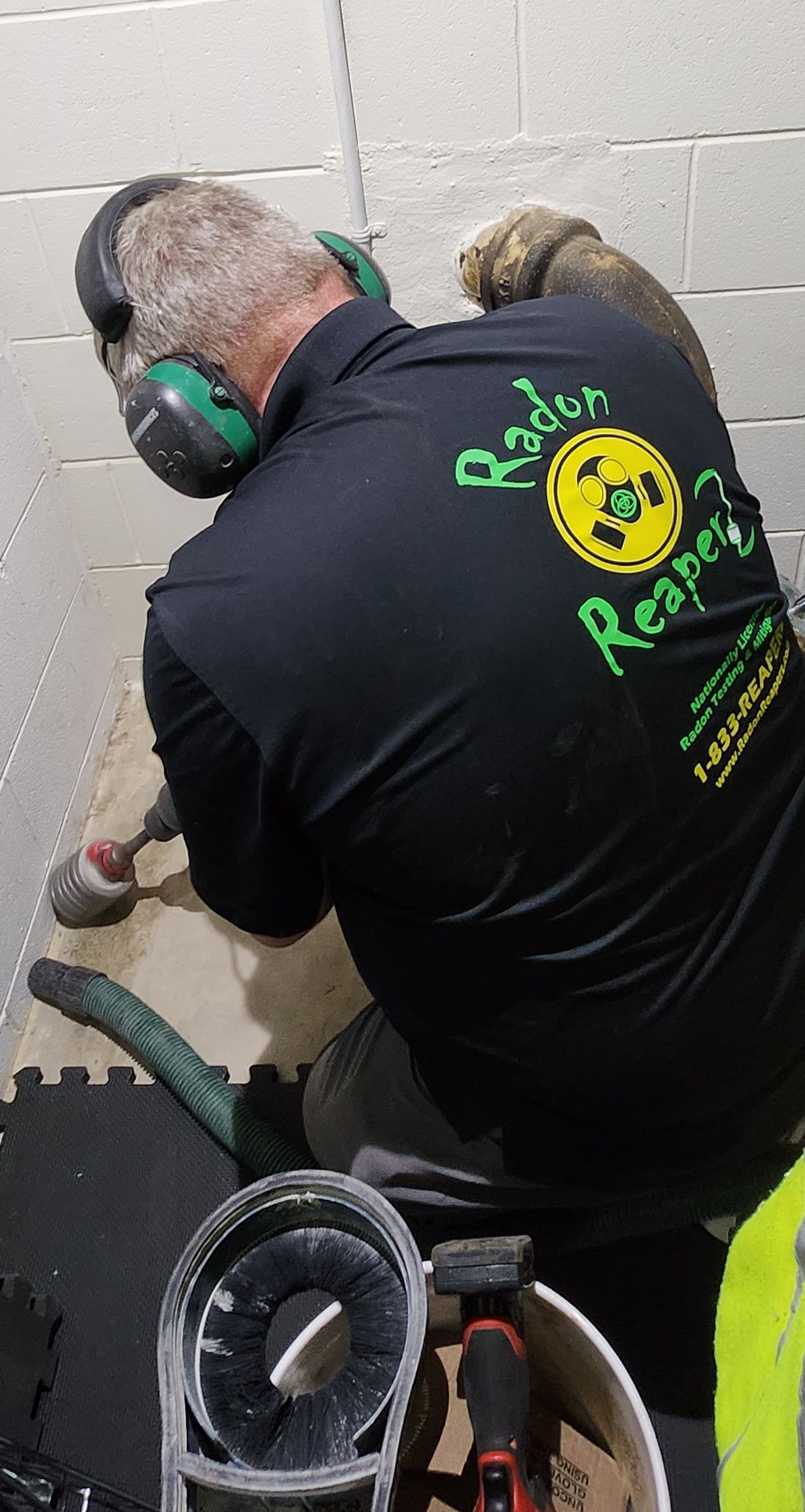
Radon Reaperz technician working on a mitigation system
One of our Founders, Ken Whitt, working on a mitigation system.

How the System Works

Draw Radon from Below. Vent It Outside.

A common mitigation method uses a fan and vent pipe to draw soil gas from beneath the foundation and discharge it outdoors above the home. This helps reduce the amount of radon entering the living space.

The collection point, fan, and pipe route depend on the foundation and how air moves beneath it. Sealing relevant openings supports the system, but sealing alone is not a reliable radon solution.

Starting at the Foundation

Different Homes. Different Collection Points.

Some installations use a suitable sump pit. Others need a collection point through the concrete floor. We’ll explain the proposed approach before the work begins.

Radon mitigation system connected at a sump pit
Sump Pit Installation

Working with a Suitable Sump Pit

In some homes, a sump pit provides access to the space beneath the slab. A sealed cover and vent connection can make it part of the radon system. The installation must also preserve the sump’s drainage function and access for servicing.
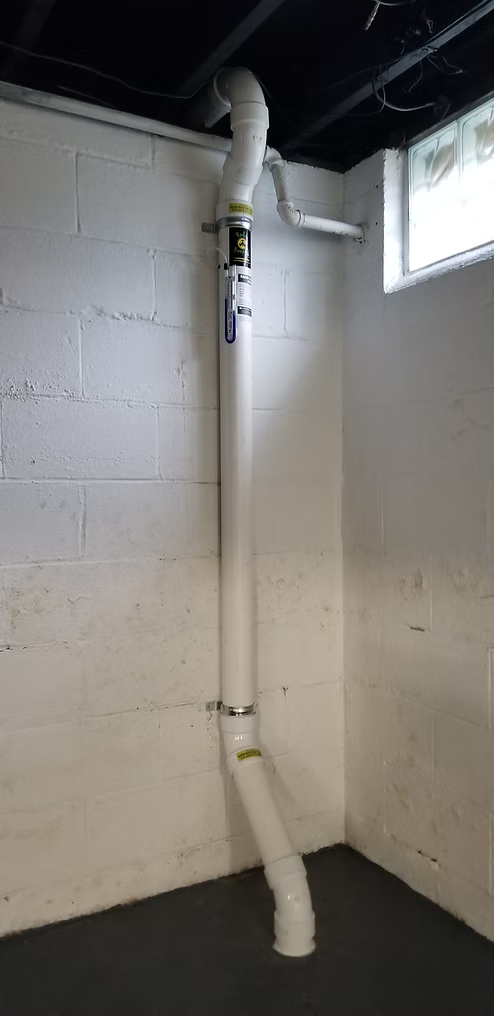
Radon mitigation piping installed through a cored opening in concrete
Sub-Slab Collection

Creating a Collection Point

A cored opening through the concrete floor allows piping to reach beneath the slab. The location and number of collection points depend on the foundation and conditions below it.

Planning the Finished Installation

A Pipe Route That Fits Your Property.

You’ll see the system every day, so its placement matters. We consider the route from the foundation to the discharge point, along with access, appearance, and the requirements of the installation.

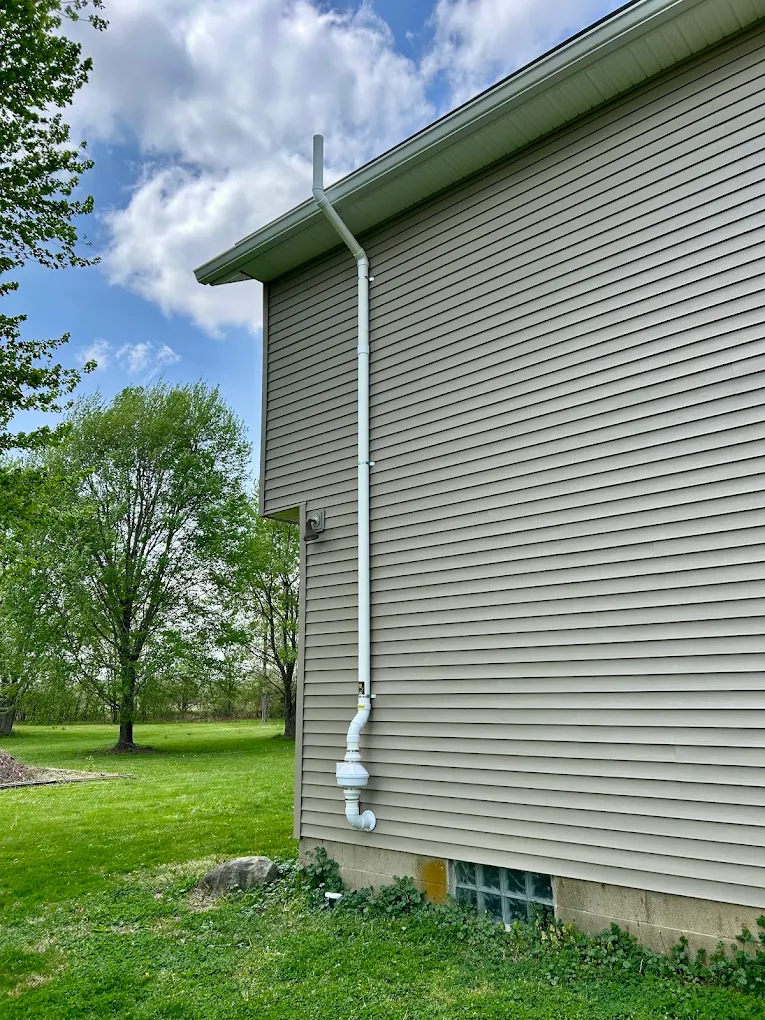
Radon mitigation fan installed on the exterior of a home

Exterior Fan Installation

An exterior route can be a practical option when an indoor route is limited. Fan placement and discharge location are planned together.

Exterior radon fan and black piping coordinated with the home’s color

Attention to Appearance

This installation uses black piping to complement the home. Ask about appearance options when discussing the route for your system.

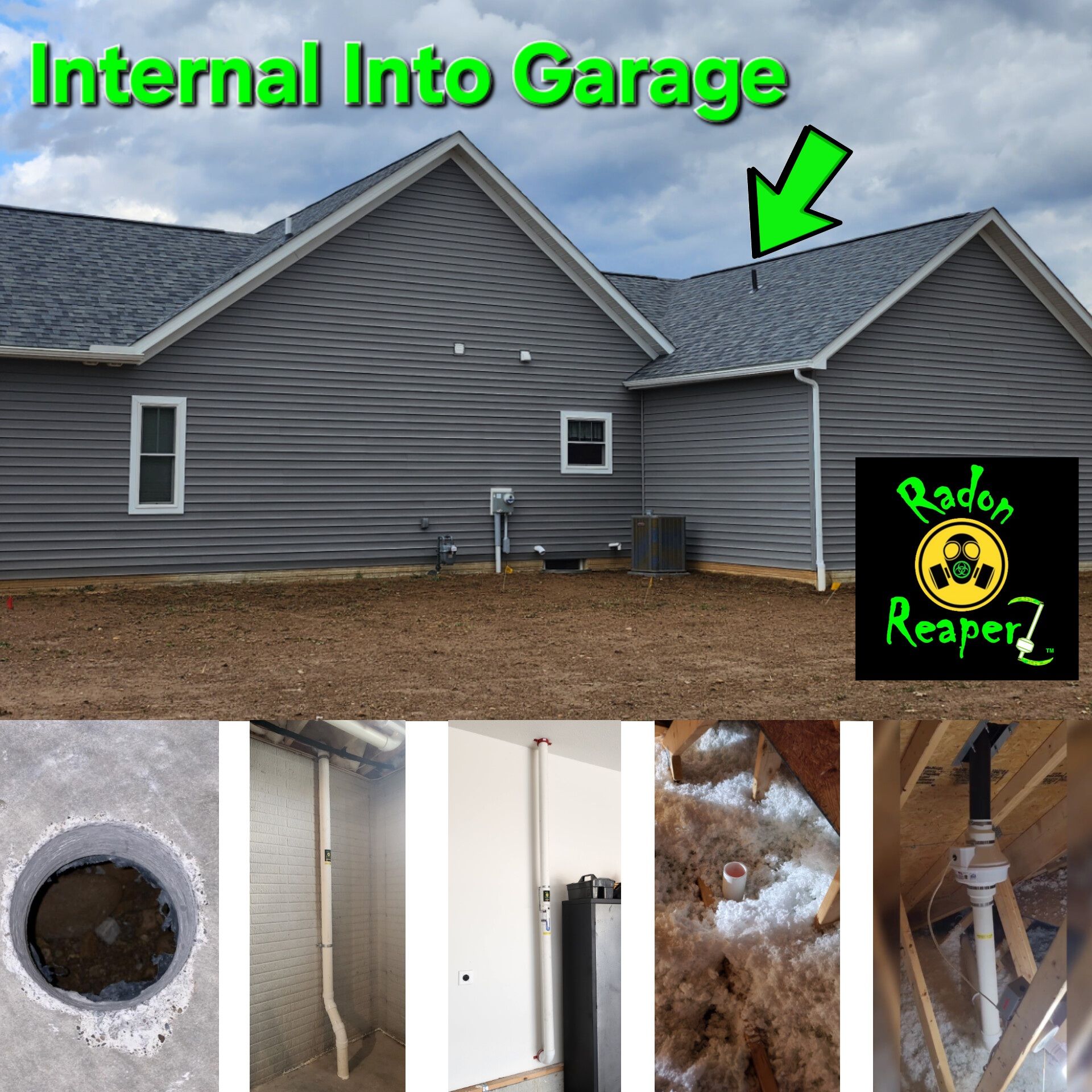
Internal active radon mitigation system venting through a garage roof

An Interior Pipe Route

Where the layout allows, piping can run inside the building and vent through the roof. The fan still requires an appropriate location outside occupied living space.

Building a New Home?

Plan for Radon Before the Finishes Go In.

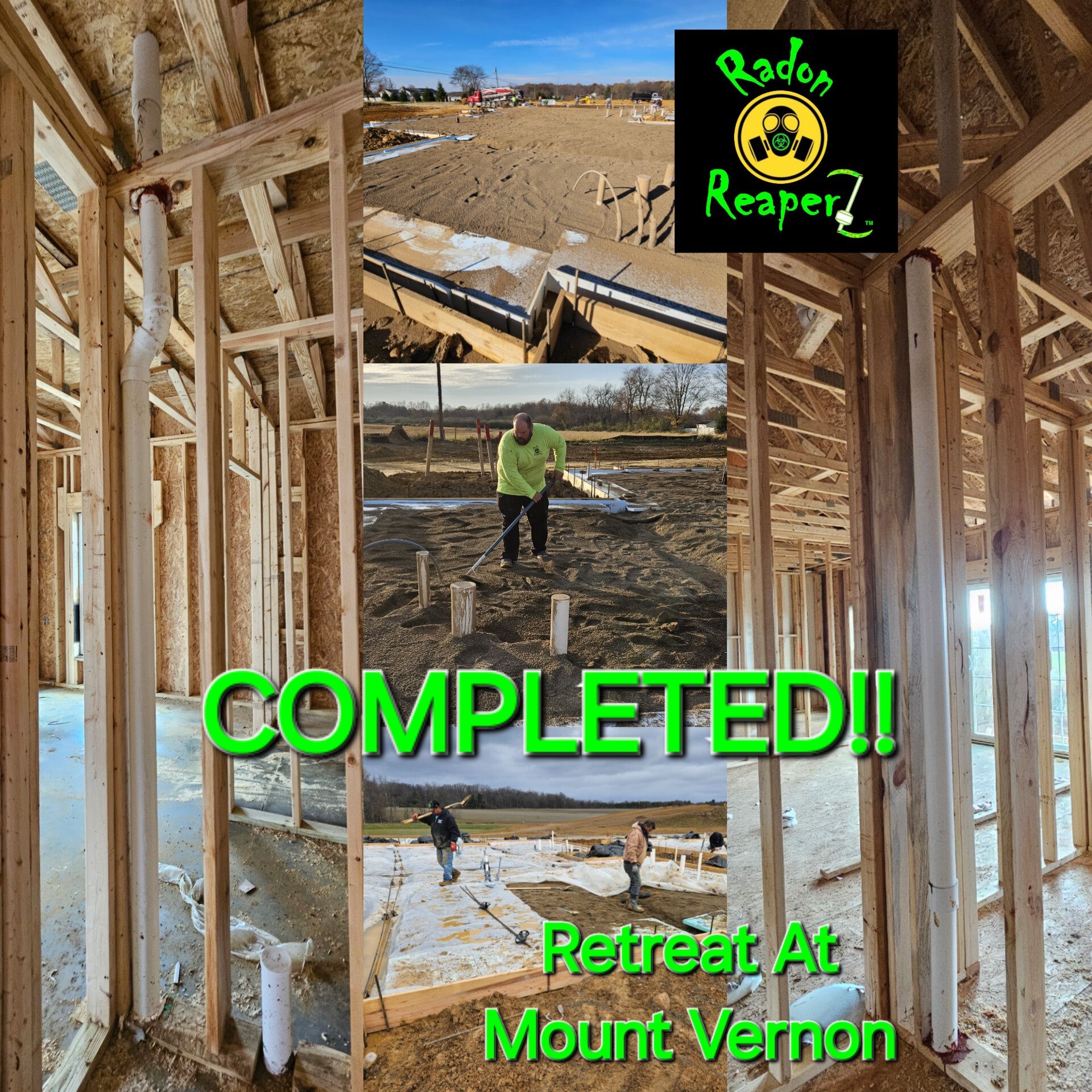
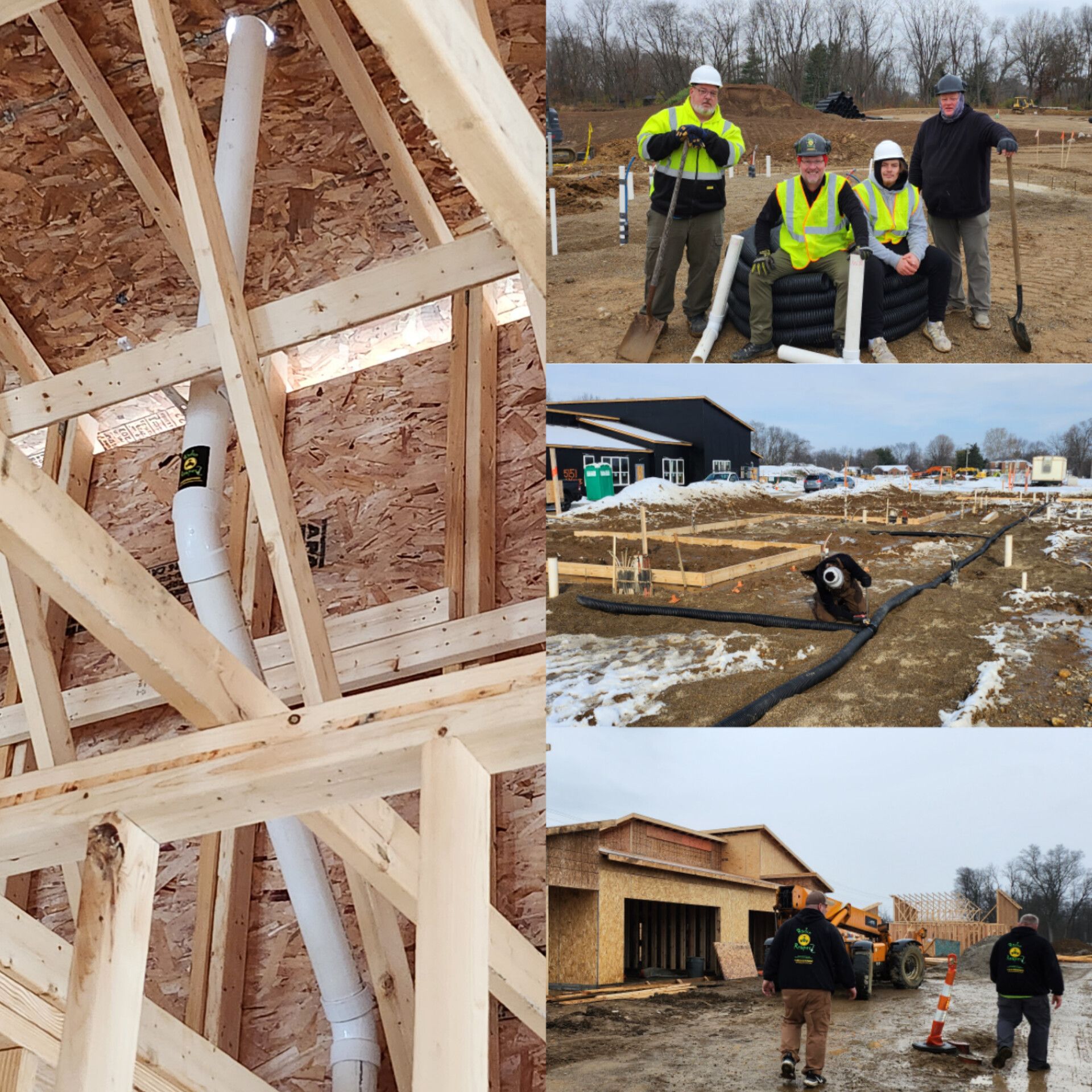
New construction offers an opportunity to plan the collection point and pipe route while the structure is accessible. Bringing radon into the conversation early helps the builder and homeowner account for it in the project.

Radon-resistant construction does not eliminate the need to test. The completed home should be checked to determine whether additional action is needed.

Already Have a Radon Pipe?

From Passive Piping to an Active System.

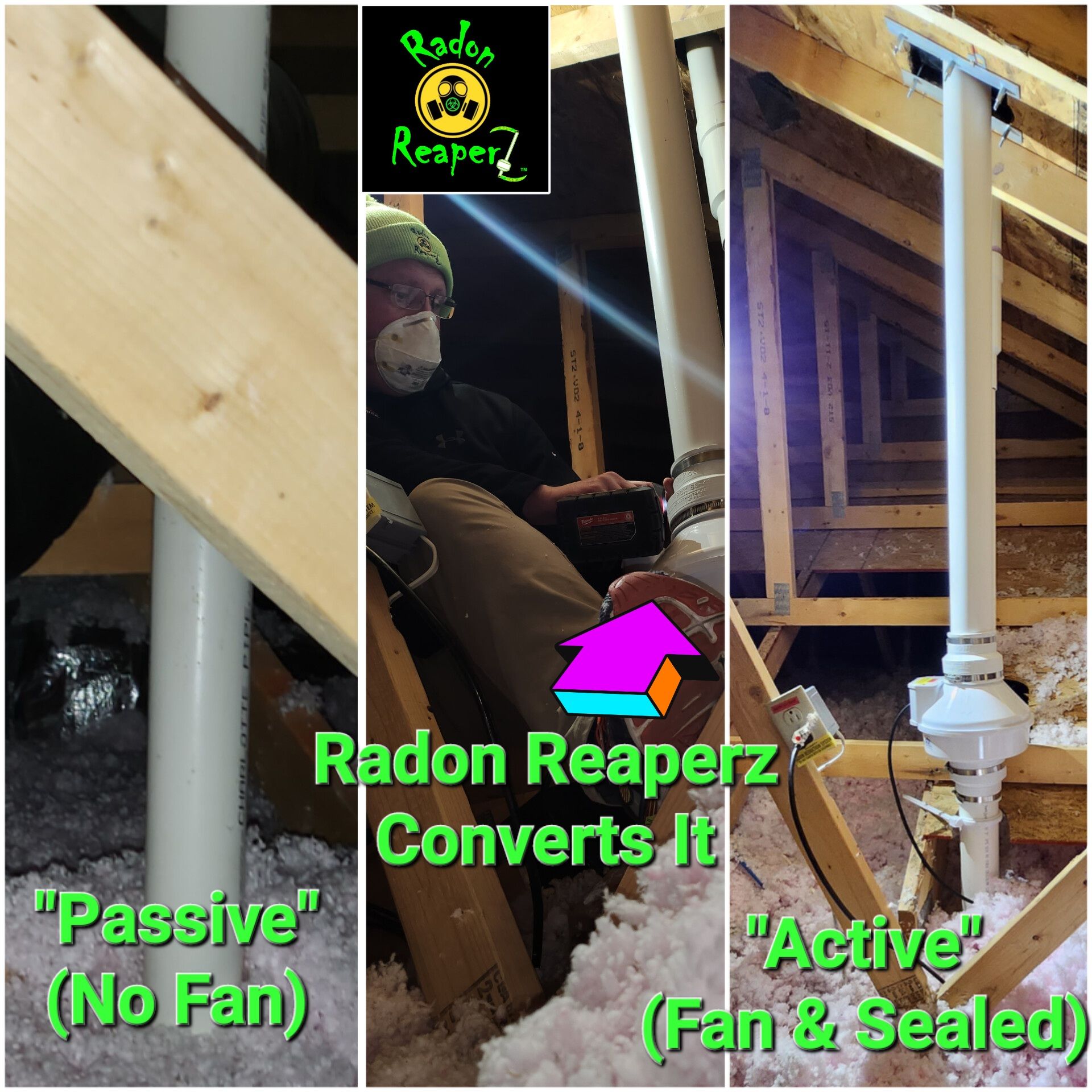
Some homes are built with passive radon piping, which relies on natural air movement rather than a powered fan. A pipe in place doesn’t tell you whether indoor radon levels are low.

If testing shows the passive system isn’t enough, it may be possible to activate it by adding an appropriately selected fan and electrical supply. The existing installation should be assessed before making that change.

Testing after activation checks whether the upgraded system is reducing radon as intended.

Passive radon system converted to an active mitigation system
One of our Founders, Nate Ricker, working one a passive-to-active radon system conversion.

What to Expect

From the First Conversation to Follow-Up Testing.

Review Your Results

Share your radon report, property location, and any deadlines. If you’re buying or selling, let us know your inspection or closing timeline.

Discuss the Installation

We’ll discuss the foundation, access, proposed pipe route, and other property details that affect the work. Ask about pricing, scheduling, and what the finished system will look like.

Install the System

The agreed plan guides the collection point, piping, fan, and related sealing work. Installation details vary from home to home.

Check the Outcome

Confirm the plan for post-installation testing and review how to monitor the system. Keep your test results and system information for future reference.

The Results Matter

A Running Fan Is a Start. Testing Checks the Result.

Once the system is operating, a radon test checks the concentration in your indoor air. That’s the information needed to assess the outcome.

A system’s pressure indicator (manometer) and a radon monitor do different jobs. A pressure indicator helps you notice changes in system operation; it does not measure the radon concentration in your home.

Keep checking over time. Follow the system’s operating instructions, check its warning device regularly, and arrange periodic radon testing. EPA recommends retesting at least every two years to confirm levels remain low.

Close-up of mitigation system piping with a radon testing monitor
Mitigation system piping with a U-tube manometer.

Before You Schedule

Radon Mitigation Questions, Answered.

How much does a radon mitigation system cost?

Pricing depends on the foundation, access, pipe route, electrical needs, and other installation details. Request a free inspection so we can discuss the work your property needs and provide pricing for that scope.

Can you use my existing sump pit?

Sometimes. The sump’s construction and its connection to the space beneath the slab affect whether it is a suitable collection point. We’ll review the setup before recommending that approach.

Will the piping have to run outside my home?

Not necessarily. Some homes allow an interior pipe route through a garage or other suitable space. Others are better suited to exterior piping. The layout and installation requirements determine the available options.

Can an existing passive system be upgraded?

Often, yes. A suitable passive system can be activated with a fan and electrical supply. Existing piping and collection components should be evaluated first, followed by testing after activation.

Can sealing basement cracks solve the problem?

Sealing can support a mitigation system, but EPA does not recommend sealing alone as a reliable method of reducing radon. The installation should address how soil gas is collected and vented.

Does the radon fan need to stay on?

An active radon system is intended to operate continuously. Follow the operating instructions for your installation and contact a qualified professional if the fan stops or the system’s indicator changes.

How long will installation take?

Timing depends on the work involved, including the pipe route, access, and electrical needs. We’ll discuss the expected schedule after reviewing the property.

Do I still need testing after the system is installed?

Yes. Post-installation testing checks whether radon levels have been reduced. Periodic testing afterward helps confirm that the system continues to provide the intended result.

Delaware & Greater Columbus

Let’s Find the Right Solution for Your Home.

Have a radon report, an existing system, or questions about a new build? Tell us what you’re working with. Radon Reaperz can help you understand the options and plan your next step.

Prefer to talk? 833-732-7379